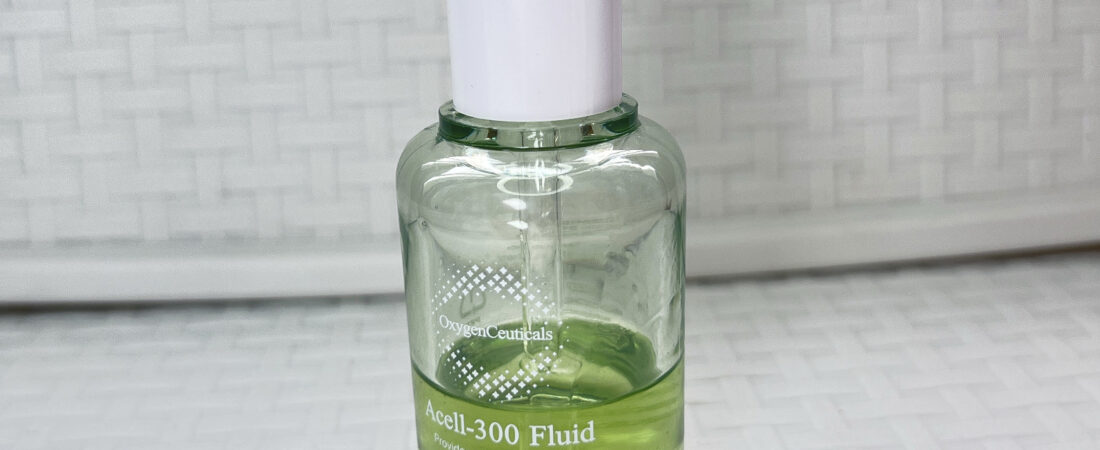
There are days when my skin does not need another complicated routine.
It needs moisture, comfort, and consistency.
When my skin looks dry, dull, or simply less alive than I want it to, I do not immediately reach for strong exfoliants or another new active ingredient.
I go back to the same basic idea:
support the skin barrier first.
My own Korean skincare routine is built around hydration and keeping the skin comfortable enough that it looks naturally smoother and more luminous.
The three products I use in this routine are:
- OxygenCeuticals A-Cell 300 Fluid Ampoule
- OxygenCeuticals Aqua Serum
- OxygenCeuticals Skin Barrier Atocream
I use them because they each play a different role, but together they create the type of finish I personally like most:
hydrated, calm-looking, and naturally dewy skin.
What “Skin Barrier Repair” Means in My Routine
When people talk about skin barrier repair, it can sound more complicated than it needs to be.
For me, it starts with something very practical.
If my skin feels tight, looks dull, or makeup starts catching on dry areas, I treat that as a sign that my routine needs to become simpler and more hydration-focused.
I am not trying to force my skin into looking perfect overnight.
I am trying to create an environment where it feels comfortable again.
That usually means:
- adding water-based hydration
- layering moisture without making the skin feel overloaded
- finishing with a cream that helps keep that moisture from disappearing too quickly
- avoiding unnecessary irritation when my skin already feels dry
This routine is the one I come back to when that is my priority.
Step 1: A-Cell 300 Fluid Ampoule
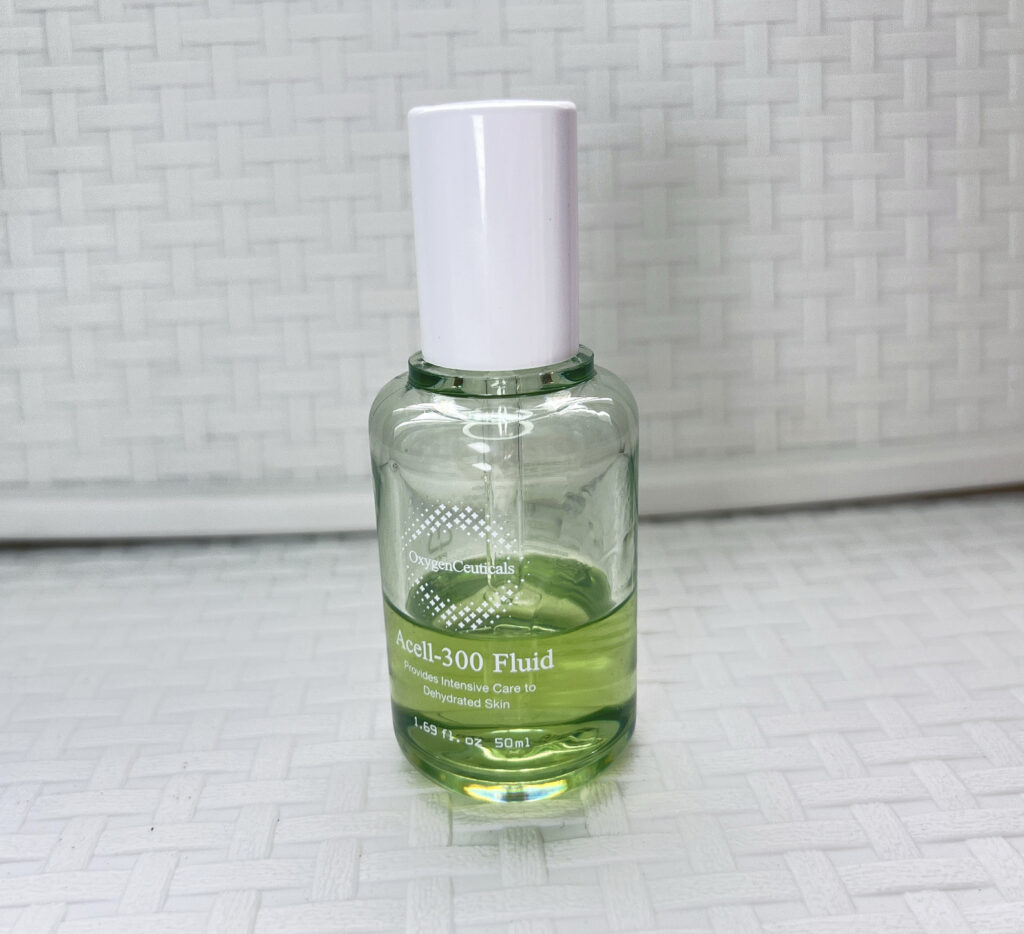
The first step is A-Cell 300 Fluid Ampoule.
I like starting with a thinner product because it gives me hydration without immediately making the skin feel coated.
In my own routine, A-Cell 300 is one of the products I associate most strongly with that fresh, hydrated look.
When I use it consistently, my skin tends to look more luminous.
It is also one of those products where I have had people comment that my skin looks particularly glowy when I am wearing it.
That does not mean one ampoule transforms the skin by itself.
For me, its strength is how easily it fits into a layered hydration routine.
What I use it for
- first layer of hydration
- helping dry skin feel more comfortable
- creating a more luminous base
- preparing the skin for the serum and cream that follow
Step 2: Aqua Serum for Another Layer of Hydration
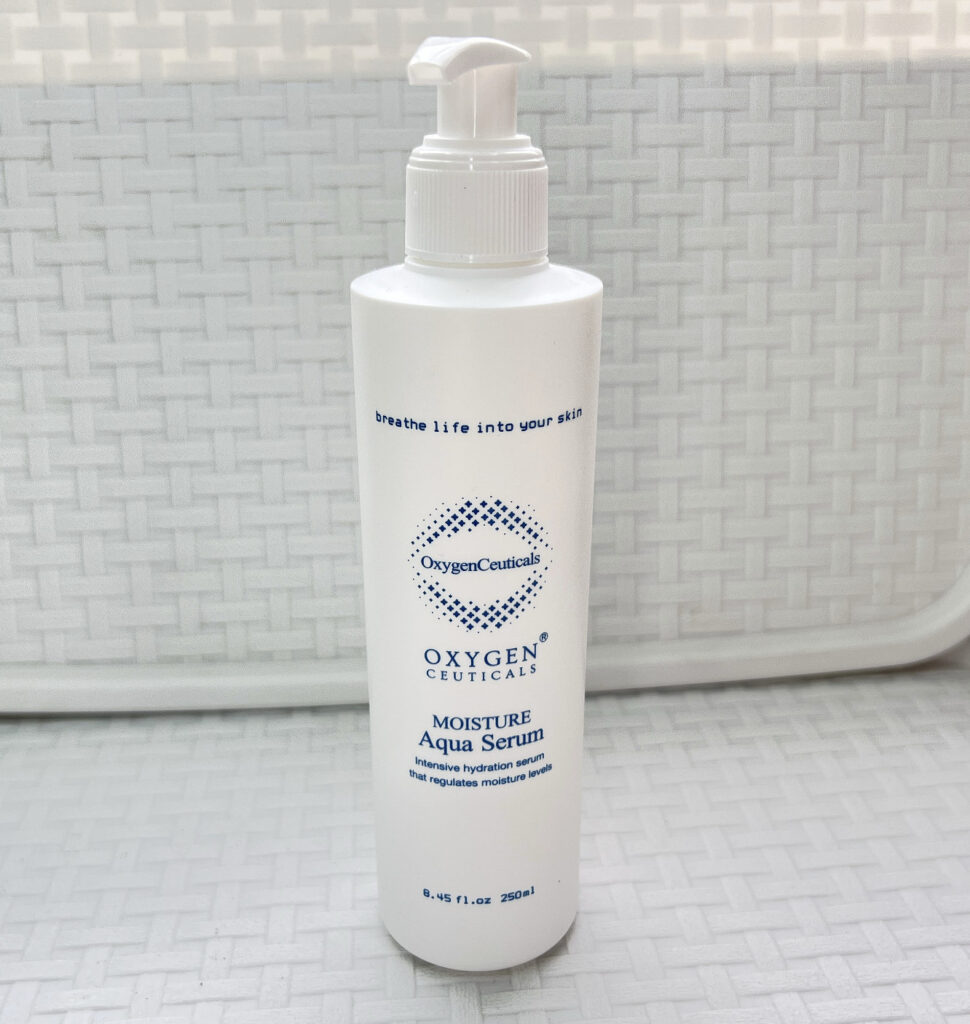
Next, I apply Aqua Serum.
This is the step I use when one layer of hydration does not feel like enough.
I particularly like using Aqua Serum together with A-Cell 300.
For me, the combination feels more effective than treating either product as a stand-alone “miracle” product.
The A-Cell gives me that initial hydrated feel, while Aqua Serum helps the routine feel more complete.
What I notice most is the finish.
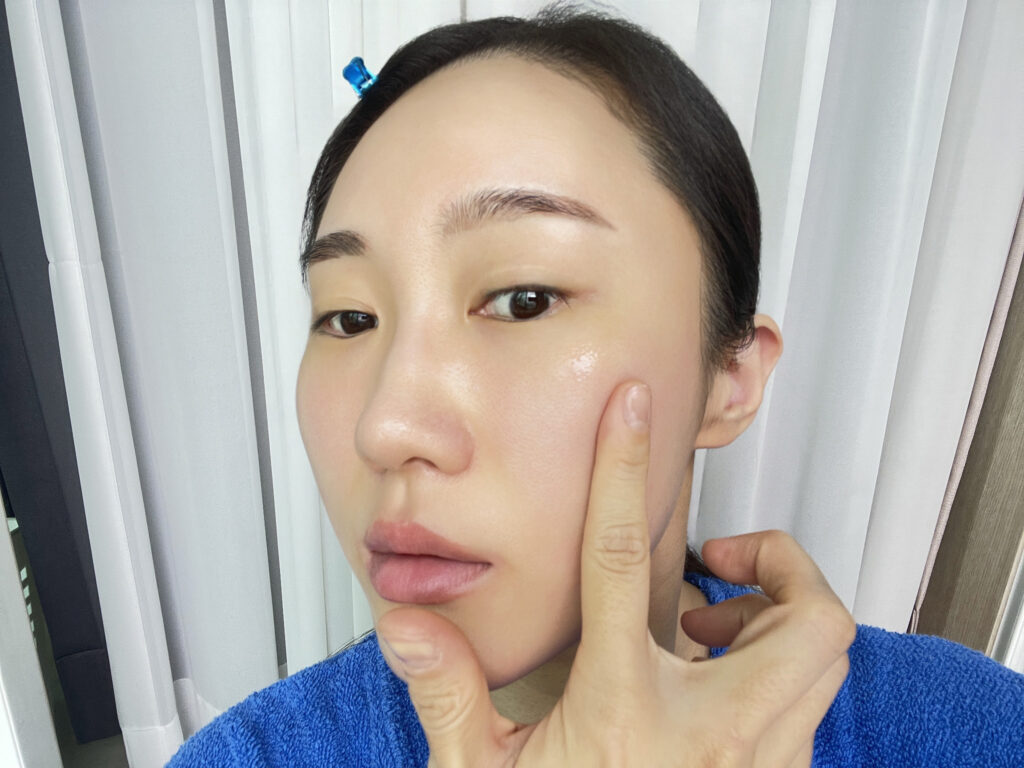
My skin looks less flat and more reflective without looking as though I have simply added oil on top.
That distinction matters to me.
I want hydration that creates glow, not just shine.
Step 3: Skin Barrier Atocream to Seal Everything In
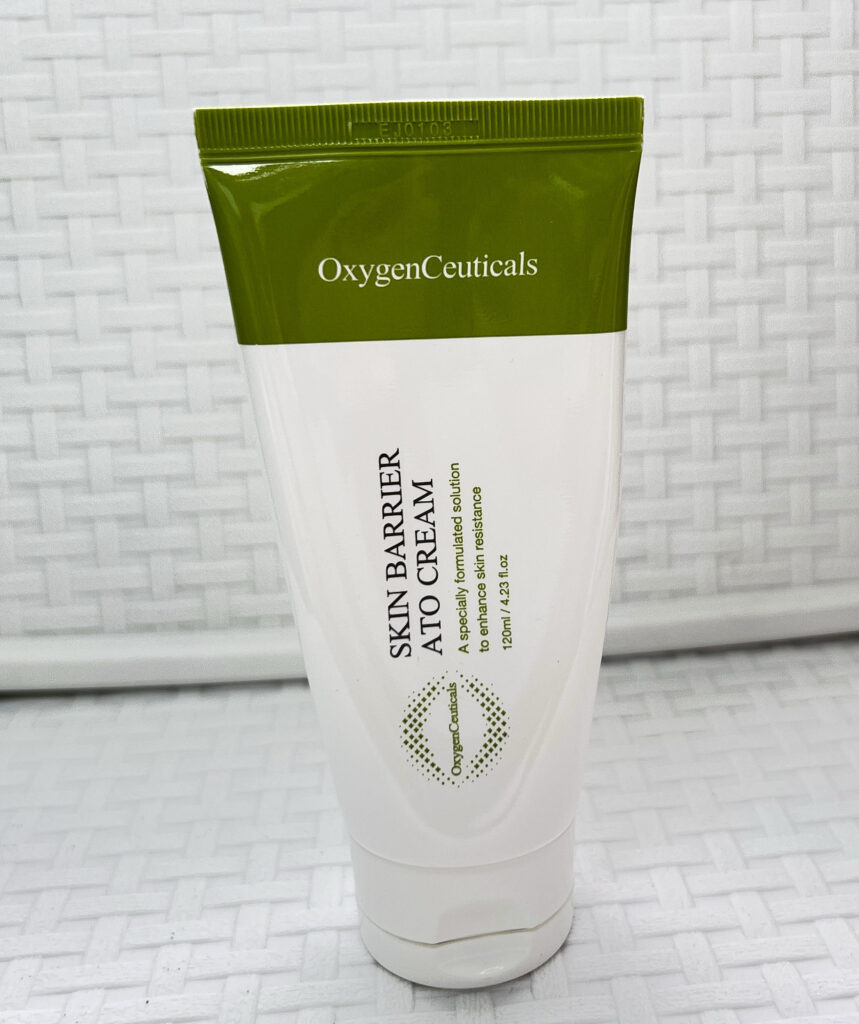
The final step is Skin Barrier Atocream.
This is where the routine changes from simply adding hydration to helping the skin stay comfortable.
I think of cream as the layer that finishes the routine.
If I stop after serum when my skin is feeling dry, the result can sometimes feel incomplete.
Adding cream gives me the cushioned finish I prefer.
I especially like this when my skin feels:
- tight
- rough
- less luminous than usual
- more vulnerable to dryness throughout the day
The point is not to apply the thickest possible layer.
I use enough to make the skin feel comfortable without making it feel heavy.
Why I Layer These Three Instead of Using One Heavy Product
I have learned that my skin usually responds better when I layer hydration gradually rather than relying on one very rich product.
That is why this routine makes sense to me:
A-Cell 300 → Aqua Serum → Atocream
Each step has a different texture.
The first layers feel lighter.
The cream finishes everything.
For me, that gives a better balance between:
hydration + comfort + glow
without making the skin feel overloaded.
What My Skin Looks Like After the Routine
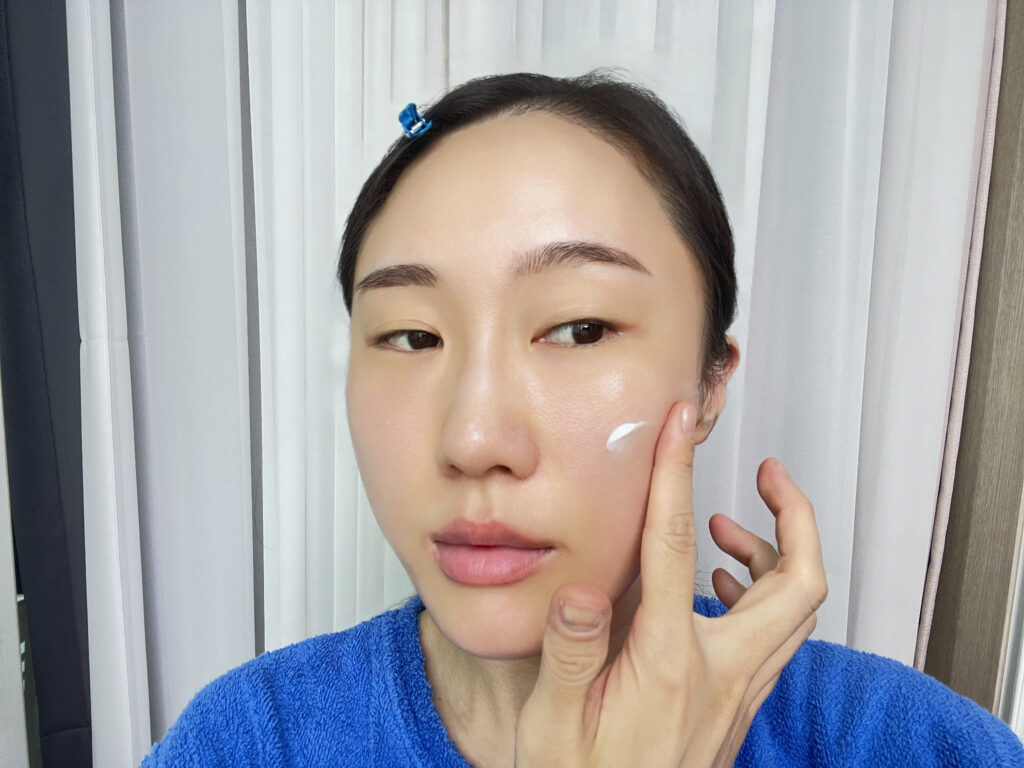
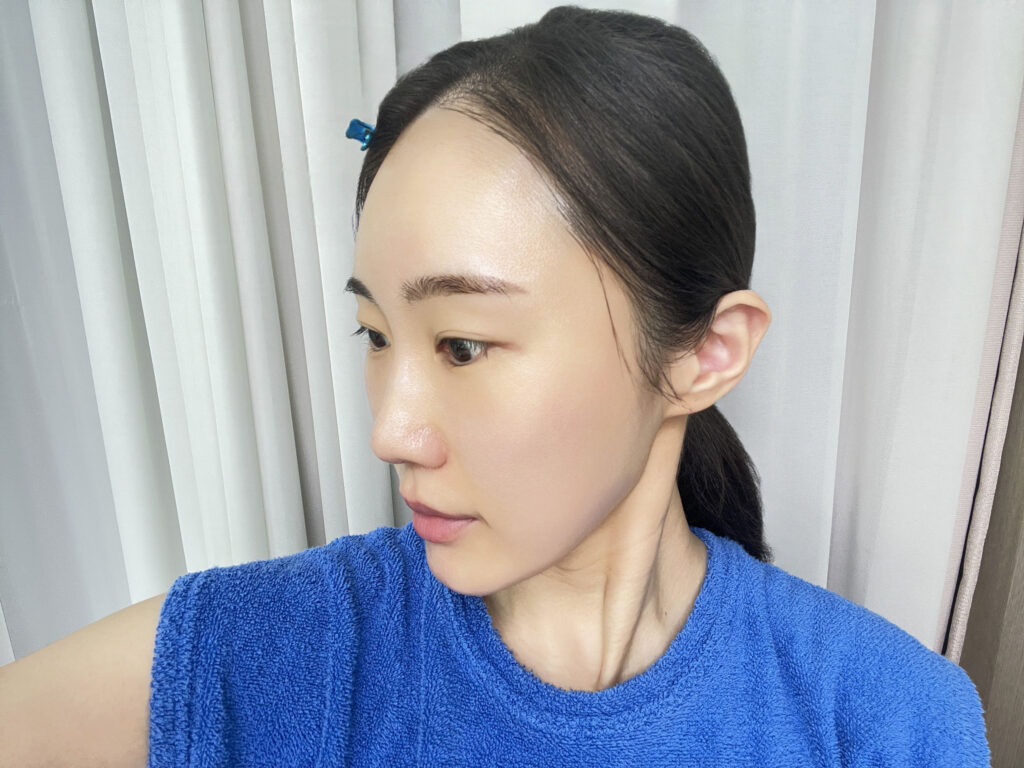
The finish is one of the main reasons I keep using this combination.
I like skin that reflects light naturally.
I like skin that reflects light naturally.
For me, glow does not mean glitter, facial oil sitting on top of the skin, or highlighter pretending to be skincare.
I want the skin itself to look moisturized.
I want the skin itself to look moisturized.
After this routine, the areas where I notice the difference most are my:
- cheeks
- forehead
- upper cheekbones
- areas where makeup tends to look dry when my skin is dehydrated
The result I am after is healthy-looking skin, not skin that looks aggressively treated.
Why Barrier Care Matters More to Me as I Get Older
I am much less interested now in routines that make my skin look temporarily “perfect” at the cost of comfort.
My priorities have shifted.
I care more about whether my skin:
- stays hydrated
- feels comfortable
- looks naturally luminous
- works well underneath sunscreen and makeup
- still feels good several hours later
For me, that is a much more sustainable approach to beauty.
It is also why skin barrier repair has become such an important part of how I think about skincare.
I do not want to constantly fight my skin.
I want to maintain it well enough that I need less correction later.
When I Use This Routine
This is not necessarily the exact routine I use every single morning and night.
I use it most when my skin feels like it needs extra support.
For example:
- after a period of dryness
- when my complexion looks dull
- when makeup has not been sitting smoothly
- when the weather makes my skin feel tighter than usual
- before a day when I want my skin to look especially healthy and hydrated
I also prefer routines like this before introducing anything stronger.
If my skin already feels uncomfortable, I do not see much value in immediately adding more stress.
What About Exfoliation?
I still exfoliate when I think my skin needs it.
But I do not treat dullness as an automatic sign that I need to exfoliate more.
Sometimes what looks like dullness on my skin is simply dehydration.
That is why I usually address hydration first.
If the skin still looks rough after it feels properly moisturized, then I can think about exfoliation separately.
That order has worked better for me than constantly trying to polish the surface of skin that already feels dry.
How This Fits With My Sunscreen Routine
Skin barrier care and sunscreen are closely connected in my routine.
I do not want to spend time creating hydrated skin and then apply a sunscreen that makes it feel tight again.
That is one reason I pay so much attention to sunscreen texture.
I wrote about the criteria I use here:
What I Look for in a Korean Sunscreen After Years of Daily SPF
And if your skin tends to feel dry, I also compared three face-friendly SPF textures here:
Which Sunscreen Texture Is Best for Dry Skin? Cream vs Sun Milk vs Serum
For me, skincare and sunscreen should work as one routine rather than fighting each other.
The Difference Between Dewy and Greasy Skin
This is important because I talk about “glow” constantly.
When I say I want dewy skin, I do not mean I want my face covered in a layer of oil.
The glow I like comes from skin that looks:
- hydrated
- smooth
- comfortable
- naturally reflective
When the skin is dry underneath but oily on top, that does not give me the same effect.
That is why I focus so much on hydration first.
My Personal Skin Barrier Checklist
When my skin feels dry or dull, I ask myself:
Does it need more hydration?
Am I using too many irritating steps?
Did I seal in my lighter products with enough cream?
Is my sunscreen making the dryness worse?
Am I trying to exfoliate a problem that is actually dehydration?
Those questions are much more useful to me than immediately buying another product.
The Bottom Line
My approach to skin barrier repair is not complicated.
I focus on three things:
hydrate → layer → seal
In this routine, that means:
A-Cell 300 → Aqua Serum → Skin Barrier Atocream
The reason I keep returning to this combination is not because I expect dramatic overnight transformation.
It is because it consistently gives me the kind of skin I actually want:
comfortable, hydrated, luminous, and well cared for.
For me, good skincare is becoming less about constantly changing the skin and more about maintaining it well enough that it can look good without needing to be covered up.
That is the kind of routine I can imagine keeping for years.
About the Author
I’m Eva, based in Korea, and I’ve spent years building my own approach to skincare around three things: daily sun protection, a healthy skin barrier, and luminous, well-hydrated skin.
I believe good beauty is less about trying to look younger and more about looking healthy, polished, and well cared for at every age.
Korean Glow Edit is where I share the K-Beauty products I actually use, the routines I keep for years, and the discoveries from Korea that I believe are worth knowing about.
This article reflects my personal skincare experience and routine. Skin type and sensitivity vary, and a compromised or persistently irritated skin barrier may require evaluation by a dermatologist.

I’m Eva, based in Korea, and I’ve spent years building my own approach to skincare around three things: daily sun protection, a healthy skin barrier, and luminous, well-hydrated skin. I believe good beauty is less about trying to look younger and more about looking healthy, polished, and well cared for at every age. Korean Glow Edit is where I share the K-Beauty products I actually use, the routines I keep for years, and the discoveries from Korea that I believe are worth knowing about.