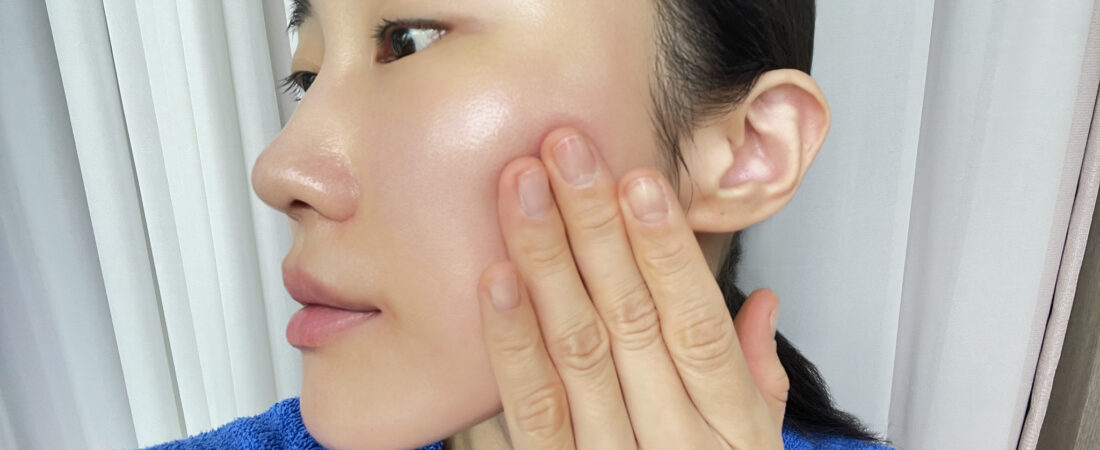
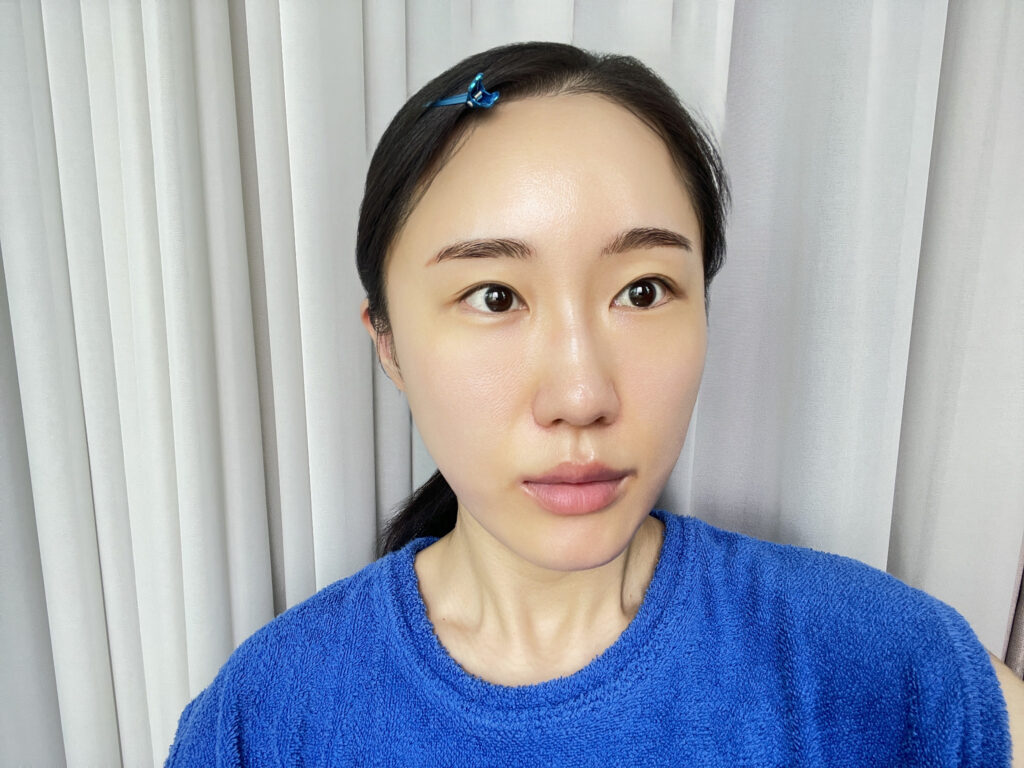
I wear sunscreen almost every day.
After years of doing that, I have realized something:
SPF protection is only part of what makes a sunscreen useful to me.
A formula can have impressive claims, beautiful packaging, and a high SPF rating, but if I dislike wearing it, I am much less likely to reach for it every morning.
For everyday use, I care about practical things.
Does it leave an obvious white cast on my skin?
Does the eye area feel comfortable?
Can I spread it without fighting the texture?
Does my skin still look like skin afterward?
Those details are what determine whether a sunscreen becomes part of my routine or ends up sitting unused.
For me, an easy everyday sunscreen needs to feel almost uneventful.
I put it on, it settles into my routine, and I move on with my day.
No Obvious White Cast Is One of My First Checks
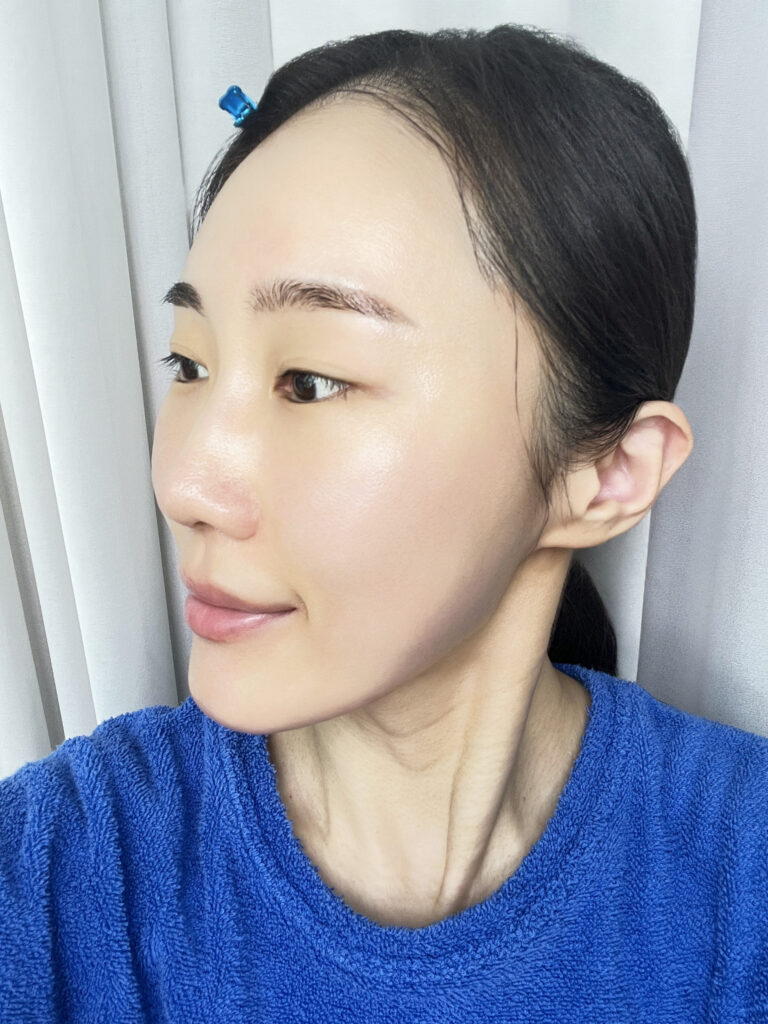
One of the first things I notice after applying sunscreen is whether it changes the appearance of my skin tone.
I do not expect every sunscreen to become completely invisible on every person. White cast can vary depending on the formula, the amount applied, and skin tone.
But on my skin, I strongly prefer sunscreen that does not leave an obvious pale or chalky film.
That matters even more because I like a natural, luminous finish.
If my face suddenly looks noticeably lighter than my neck, the sunscreen becomes harder for me to wear by itself.
For my own routine, sunscreen no white cast means I can apply SPF and still recognize my natural skin tone underneath.
Why White Cast Matters Even When I Am Not Wearing Makeup
White cast is often discussed as a makeup problem.
For me, it matters on bare-skin days too.
There are many mornings when I do not want foundation or a full makeup routine.
I may just use skincare, sunscreen, and leave.
On those days, I want sunscreen to make my skin look healthy and comfortable—not like I have applied a visible layer of product over my face.
That is why I pay attention to the finish after the sunscreen has had a little time to settle.
Eye Comfort Is Just as Important
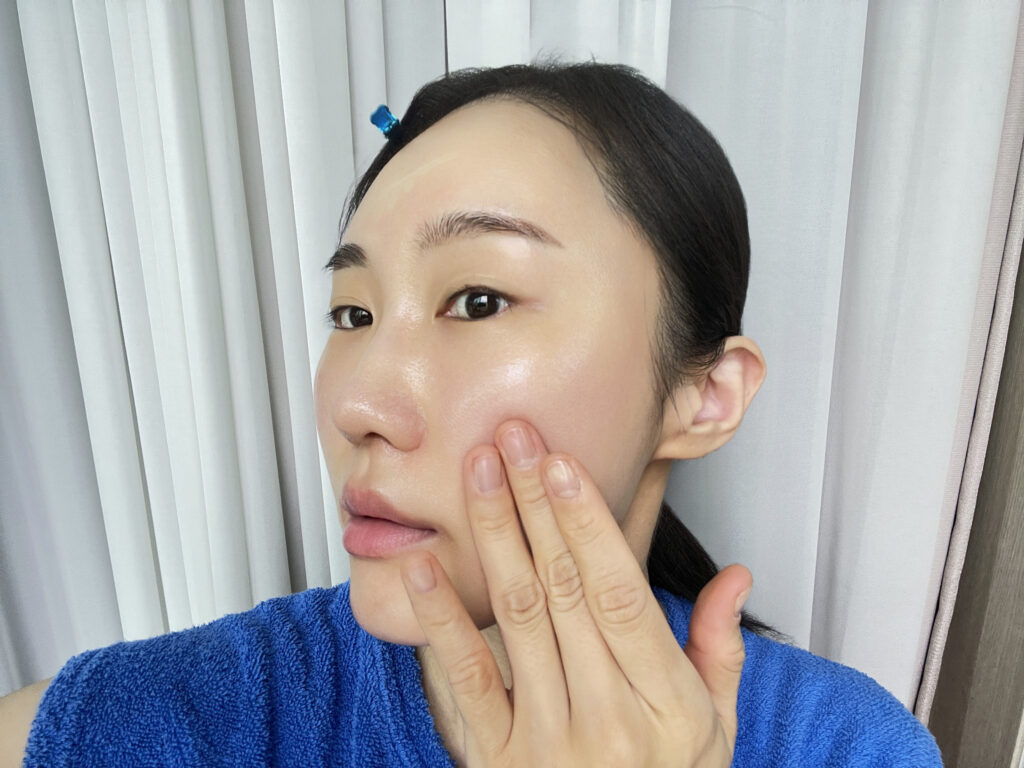
The eye area can completely change how I feel about a sunscreen.
I have used products that seem fine at first, but become annoying once they move closer to my eyes during the day.
That is a problem because sunscreen is not something I want to spend the entire day thinking about.
With the sunscreens I keep using, I personally look for comfortable wear around my eye area without noticeable stinging for me.
I am careful with how I phrase that because eye sensitivity is very individual.
A sunscreen that feels perfectly comfortable to me may not feel the same to someone else.
Still, for my own daily routine, this is one of the quickest ways a sunscreen either stays or goes.
A Sunscreen Should Not Make Me Afraid to Apply It Near My Eyes
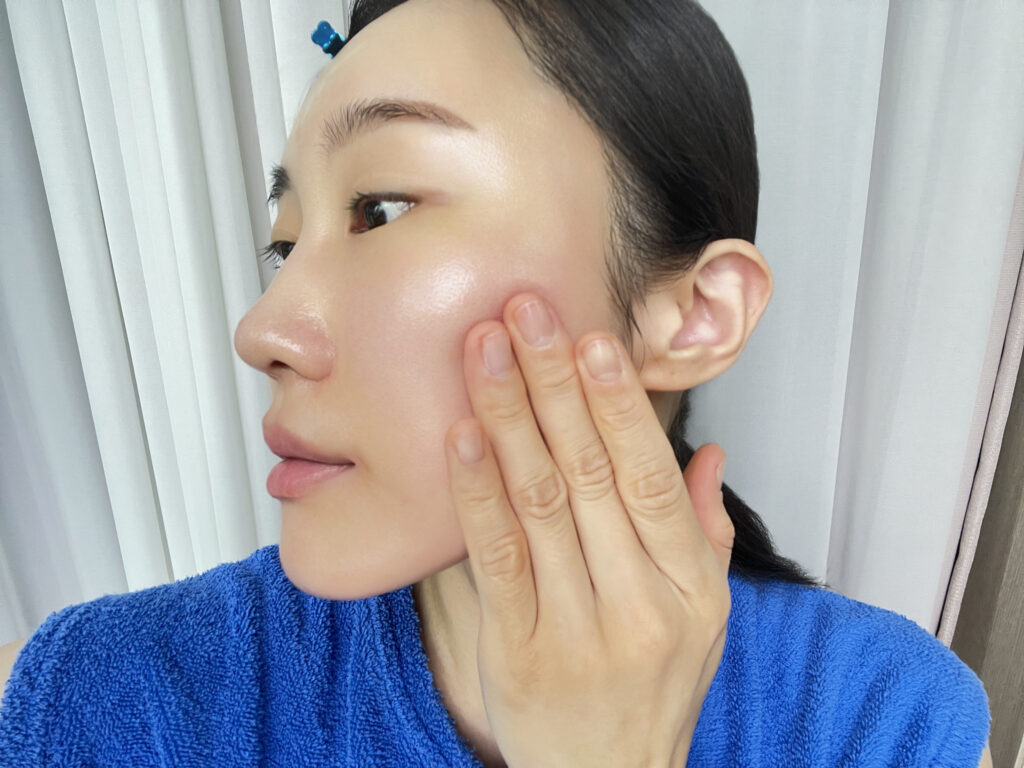
The eye area is also one of the places I do not want to skip completely.
If a formula makes me nervous about applying anywhere near my eyes, I know I will probably find it inconvenient long term.
I do not deliberately rub sunscreen into my eyes, of course.
But I want a formula that fits naturally into the way I apply skincare across my face.
For me, daily SPF should not require a complicated strategy.
Texture Matters More Than I Used to Think
A sunscreen can look beautiful once it is applied and still be annoying to use.
Texture affects how willing I am to apply the proper amount.
I tend to prefer formulas that:
- spread easily
- do not require excessive rubbing
- feel comfortable after settling
- do not leave my skin feeling unusually tight
- work with the skincare underneath
When application becomes tedious, daily sunscreen starts to feel like a chore.
That is why I now judge sunscreen as much by wearability as by the format itself.
I Want My Skin to Still Look Like Skin
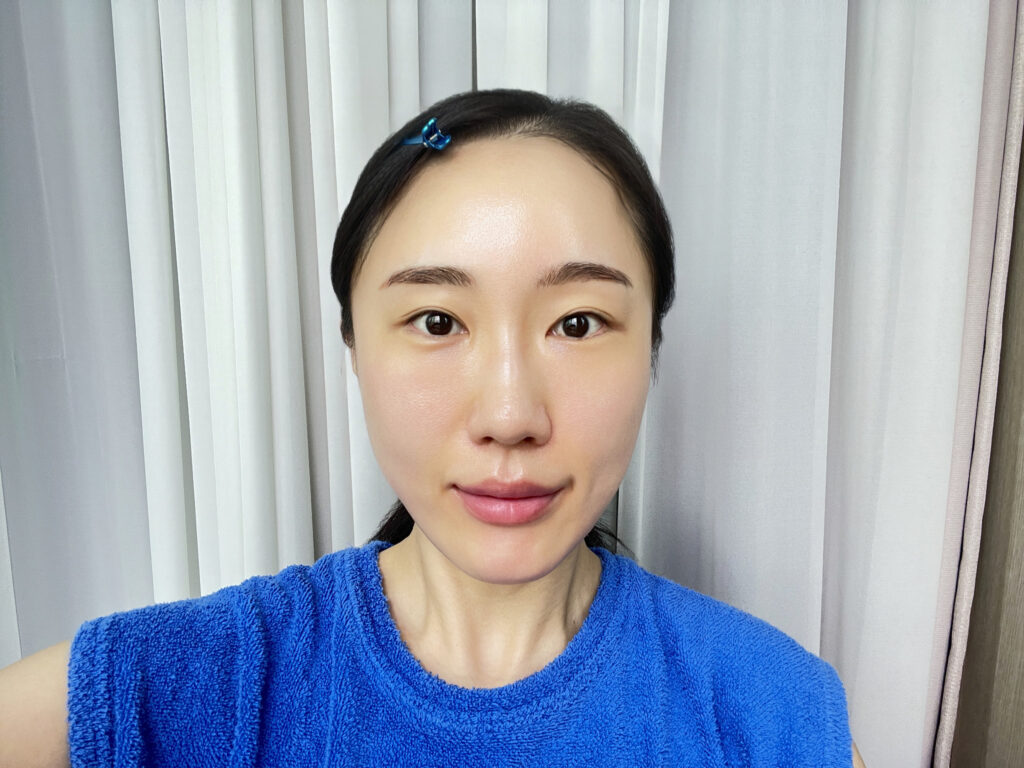
I am not trying to make my face look perfectly smooth after sunscreen.
I still want to see pores, texture, and the natural shape of my skin.
What I do want is a finish that looks comfortable.
For me, that usually means:
hydrated, natural, and slightly luminous rather than dry or chalky.
This is also why I tend to dislike sunscreen that leaves my complexion looking flat.
A formula can technically disappear without leaving a white cast and still give me a finish I do not enjoy.
So for me, “no white cast” is only one part of the equation.
My Everyday Sunscreen Checklist
After years of daily SPF, these are the things I notice most:
| What I Check | Why It Matters to Me |
|---|---|
| No obvious white cast on my skin | I want my natural skin tone to remain visible |
| Comfortable around my eyes | Irritation makes daily use difficult |
| Easy to spread | I am more likely to apply enough product |
| Hydrating or comfortable finish | My skin tends to prefer moisture over a very matte feel |
| Natural-looking skin | I want real skin texture to remain visible |
| Works with skincare | Sunscreen is the final step of my morning routine |
| Easy enough to repeat daily | Consistency matters more than novelty |
No White Cast Does Not Automatically Mean Good Sunscreen for Me
A sunscreen can disappear beautifully and still fail another test.
It might feel dry, be uncomfortable around my eyes or pill over skincare.
Or the texture may simply be unpleasant enough that I do not want to use it again.
That is why I do not judge sunscreen based on one feature alone.
The goal is not simply:
“Can I find a sunscreen with no white cast?”
The more useful question for me is:
“Can I comfortably wear this sunscreen often enough for it to become a habit?”
The Sunscreen I Use Depends on the Situation
I have tested cream, serum, sun milk, sticks, spray, mousse, and roll-on sunscreen.
Different formats solve different problems.
For example, when my skin feels dry, I tend to prefer cream or serum textures.
I compared those specifically here:
Which Sunscreen Texture Is Best for Dry Skin? Cream vs Sun Milk vs Serum
And if you want to see how all seven sunscreen formats compare:
I Tried 7 Sunscreen Formats: Spray, Mousse, Sun Milk, Cream, Roll-On, Serum & Stick
The more sunscreen I try, the less interested I am in finding one product that supposedly does everything.
I would rather find the right texture for the right situation.
My Standard Has Become Very Simple
Years ago, I paid more attention to whether a sunscreen sounded impressive.
Now my standards are much more practical.
I ask:
- Will I actually want to apply this tomorrow?
- Can I wear it without constantly noticing it?
- Does my skin still look like my skin?
- Can I use it around my face comfortably?
- Does it fit the rest of my morning routine?
If the answer is yes, I am far more likely to keep using it.
That is also what I mean when I talk about what I look for in Korean sunscreen.
I wrote about my broader SPF criteria here:
What I Look for in a Korean Sunscreen After Years of Daily SPF
The Bottom Line
For me, the easiest sunscreen to wear every day is not necessarily the most exciting one.
It is the one that causes the least friction.
I want no obvious white cast on my own skin, comfortable wear around my eyes, an easy texture, and a finish that looks naturally hydrated.
If I can apply sunscreen in the morning and stop thinking about it, that is usually a good sign.
Because after years of daily SPF, I have learned that the sunscreen I consistently reach for matters much more to me than the one that looks best on paper.
This article reflects my personal experience. White cast, eye comfort, finish, and sensitivity can vary significantly by skin tone, skin type, application amount, and individual sensitivity.

I’m Eva, based in Korea, and I’ve spent years building my own approach to skincare around three things: daily sun protection, a healthy skin barrier, and luminous, well-hydrated skin. I believe good beauty is less about trying to look younger and more about looking healthy, polished, and well cared for at every age. Korean Glow Edit is where I share the K-Beauty products I actually use, the routines I keep for years, and the discoveries from Korea that I believe are worth knowing about.