If your skin tends to feel dry, choosing sunscreen based only on SPF can be frustrating.
Texture matters too.
I have tried sunscreen in almost every format I can think of, but when dryness is the main concern, there are three textures I keep comparing:
cream, sun milk, and serum.
All three can work as daily sunscreen, but they feel completely different on my skin.
Cream feels richer and more cushioning.
Sun milk feels the thinnest and lightest.
Serum sits somewhere in between—light enough for everyday use, but still hydrating enough to feel like skincare.
After using all three in my own routine, I do not think there is one universally perfect sunscreen for dry skin.
The better question is:
How much moisture do you want, and how light do you want your sunscreen to feel?
Here is how the three compare on my skin.
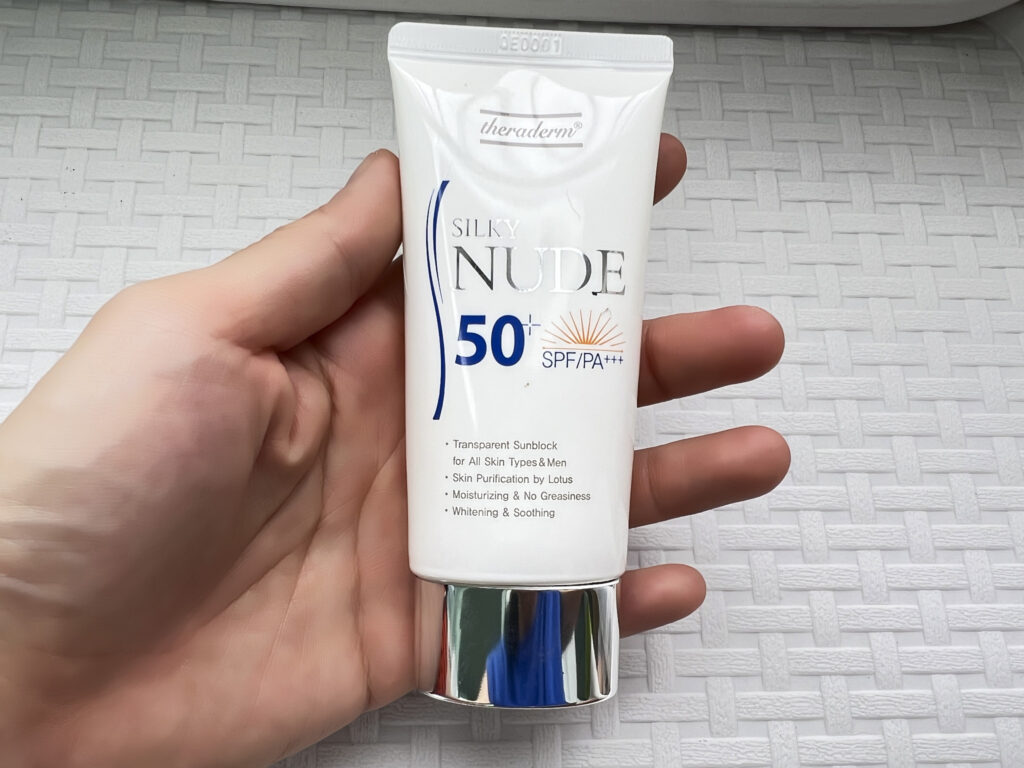
Cream Sunscreen: Best When My Skin Feels Especially Dry
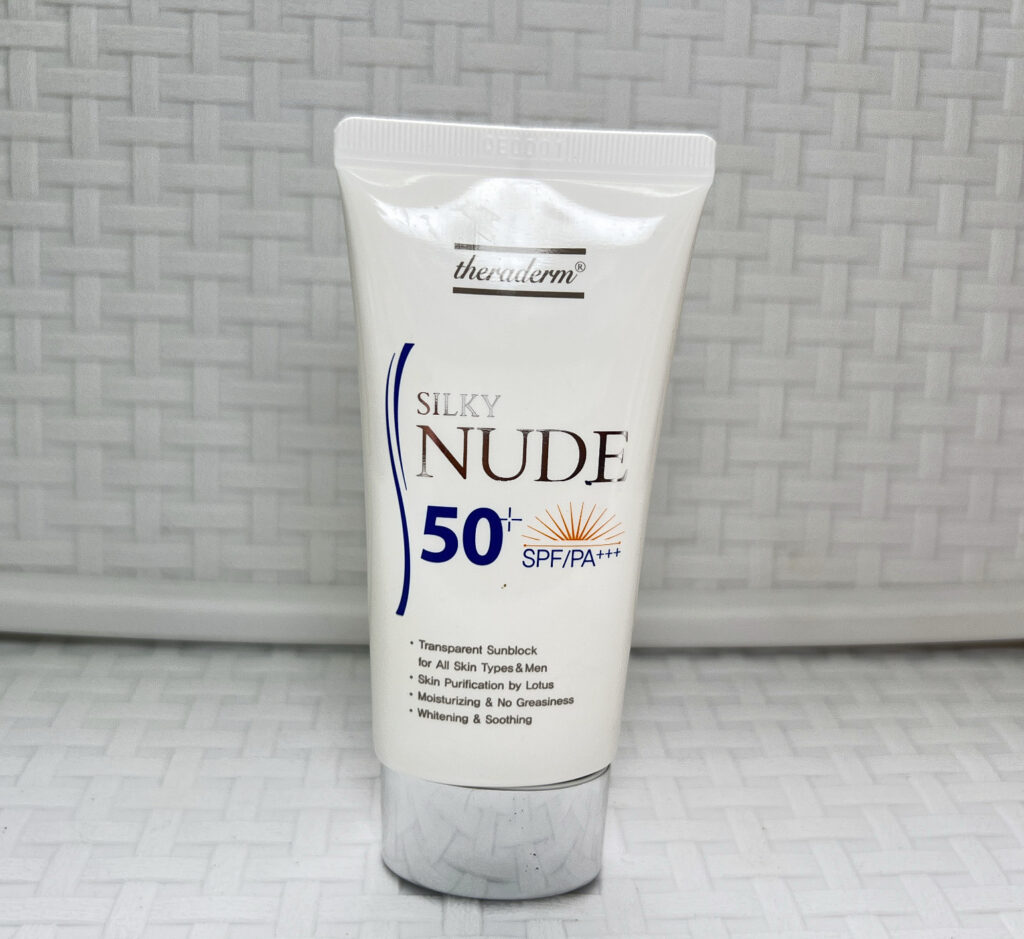
Cream sunscreen is usually my first choice when my skin feels especially dry.
It has the most substantial texture of the three, and on my skin it gives me the strongest sense of moisture and comfort.
I like that because sunscreen is the final step of my morning skincare.
If I have already spent time layering hydration, I do not want the last product to suddenly make my skin feel tight or flat.
A cream texture feels more like an extension of skincare.
What I like about cream sunscreen
- richer and more cushioned
- the most moisturizing feel on my skin
- naturally dewy finish
- comfortable when my skin feels dry
- works well with a hydration-focused routine
The trade-off is that it feels like more product.
If you strongly dislike rich skincare, cream may feel heavy.
For me, when dryness is the problem, that extra comfort is often exactly what I want.
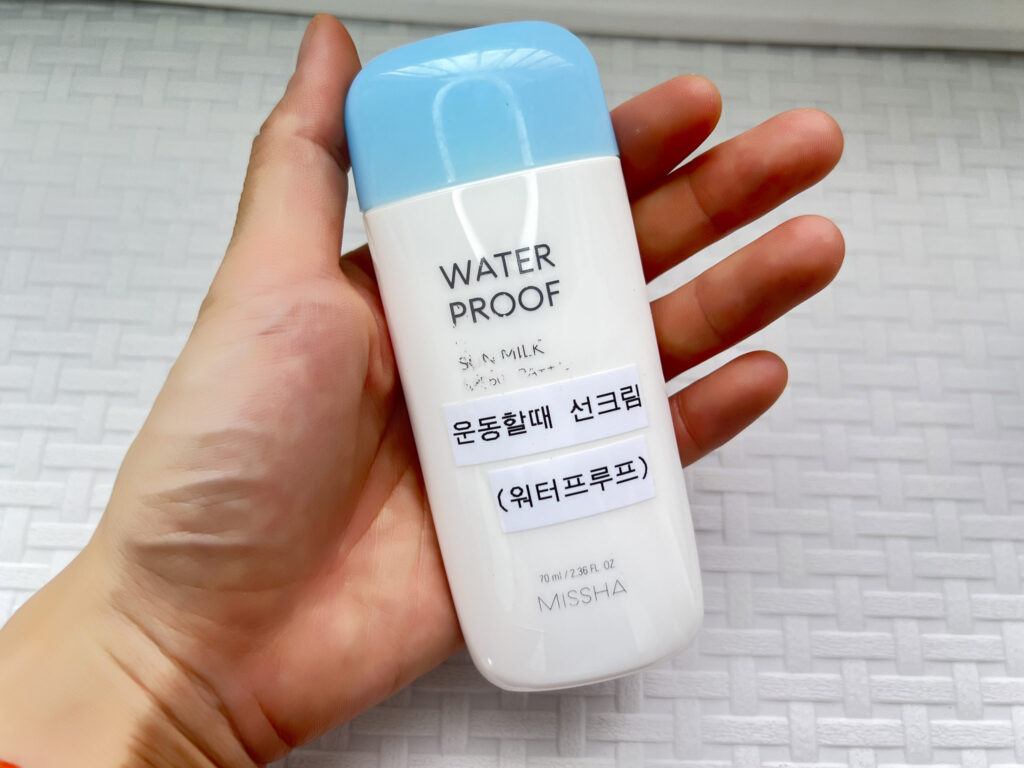
Sun Milk: Best When I Want Something Very Light
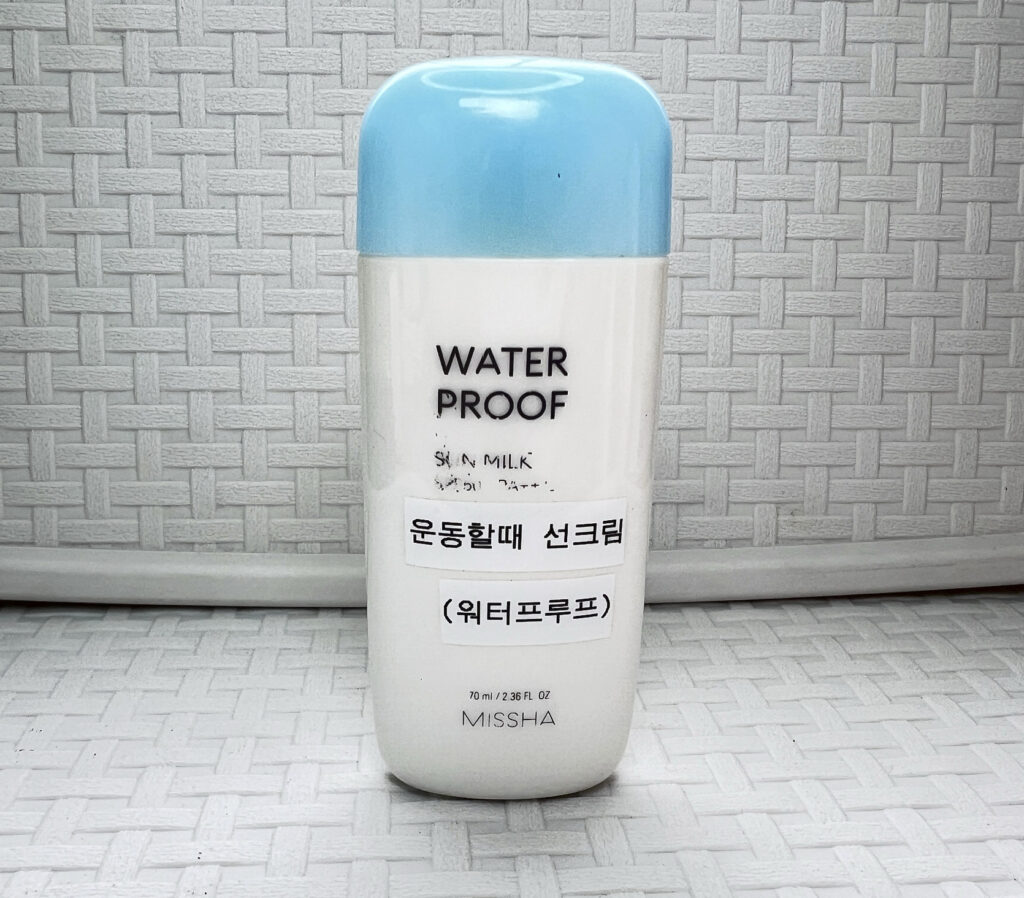
Sun milk feels very different from cream.
It is thin, fluid, and fast.
Of the three, this is the texture that feels closest to disappearing during application.
I particularly like sun milk on days when I want sunscreen to feel almost weightless.
For me, that includes active days, outdoor days, or mornings when the skincare underneath already gives me enough moisture.
What I like about sun milk
- very lightweight
- easy to spread
- less noticeable on the skin
- practical for active days
- good when I do not want a rich finish
But when my skin feels very dry, it is not usually my first pick.
I do not get the same cushioned feeling that I get from cream.
That does not mean sun milk is bad for dry skin.
It simply solves a different problem.
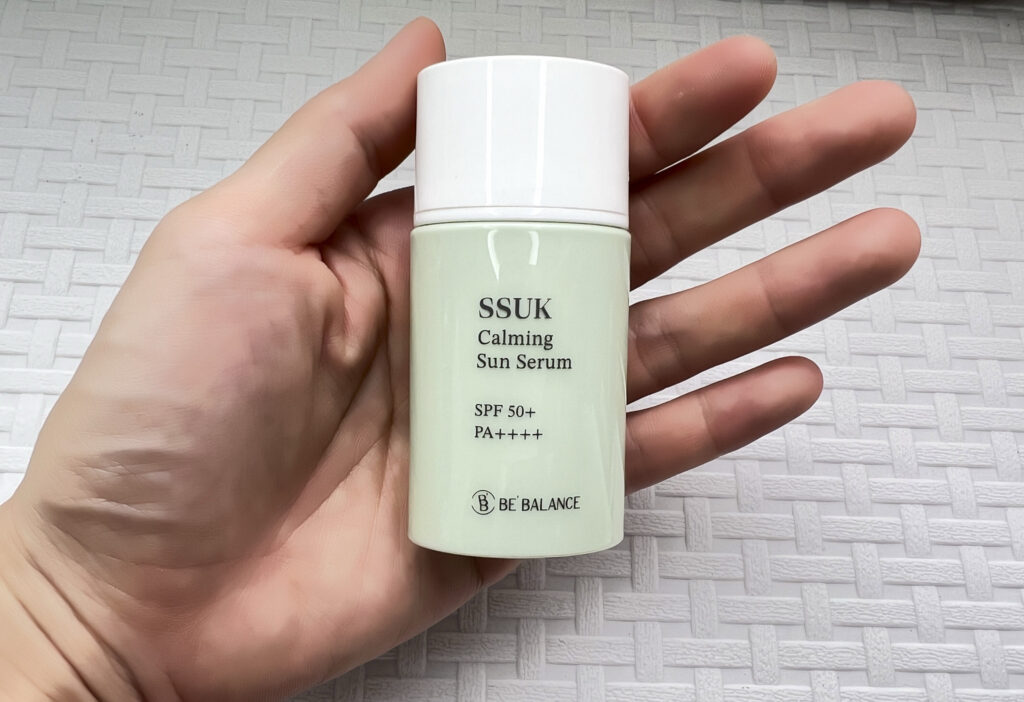
Sun Serum: The Middle Ground
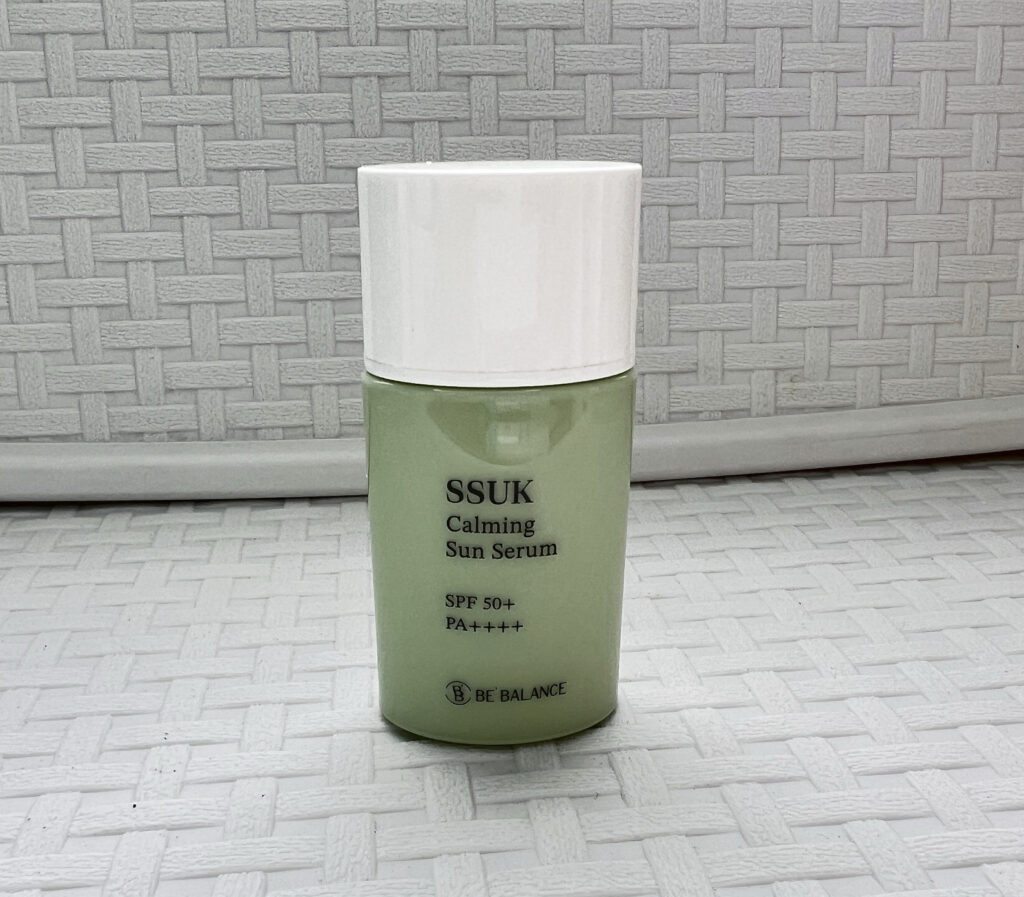
Sun serum gives me the best middle ground between cream and sun milk. It feels much lighter than a rich cream, while still giving my dry skin the skincare-like hydration I want. Because the texture spreads easily and feels fresh, I find it especially practical for everyday use.
When I want a sunscreen for dry skin that feels hydrating without the weight of a richer cream, serum is usually my choice.
It spreads easily, feels fresh, and still gives me more of the hydrated finish I like than a very lightweight milk.
What I like about sun serum
- lightweight but still hydrating
- easy to spread
- skincare-like texture
- fresh, luminous finish
- easy for everyday facial use
For me:
Cream = richest
Milk = lightest
Serum = balance
So Which One Is Best for Dry Skin?
For my personal preference:
Cream wins for the richest moisture.
When my skin feels dry or dull, cream sunscreen gives me the finish I like most.
It leaves my skin feeling more cushioned and visibly more moisturized.
Serum wins for balance.
When I want something lighter but still want hydration and glow, serum is the easiest compromise.
Milk wins for lightness.
When I care more about a lightweight feel than getting the most moisturizing finish, sun milk makes more sense.
So if someone asked me:
“Which sunscreen texture would you try first for dry skin?”
My personal order would be:
Cream → Serum → Milk
Not because sun milk is bad for dry skin.
It simply solves a different problem for me.
How the Finish Looks on My Skin
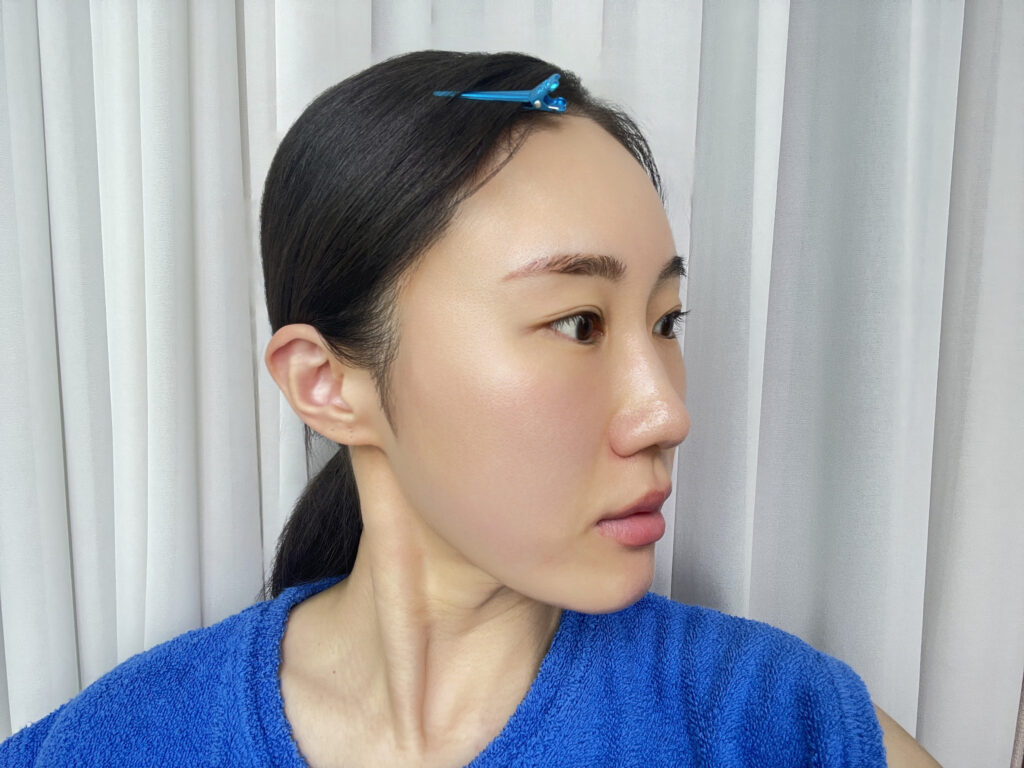
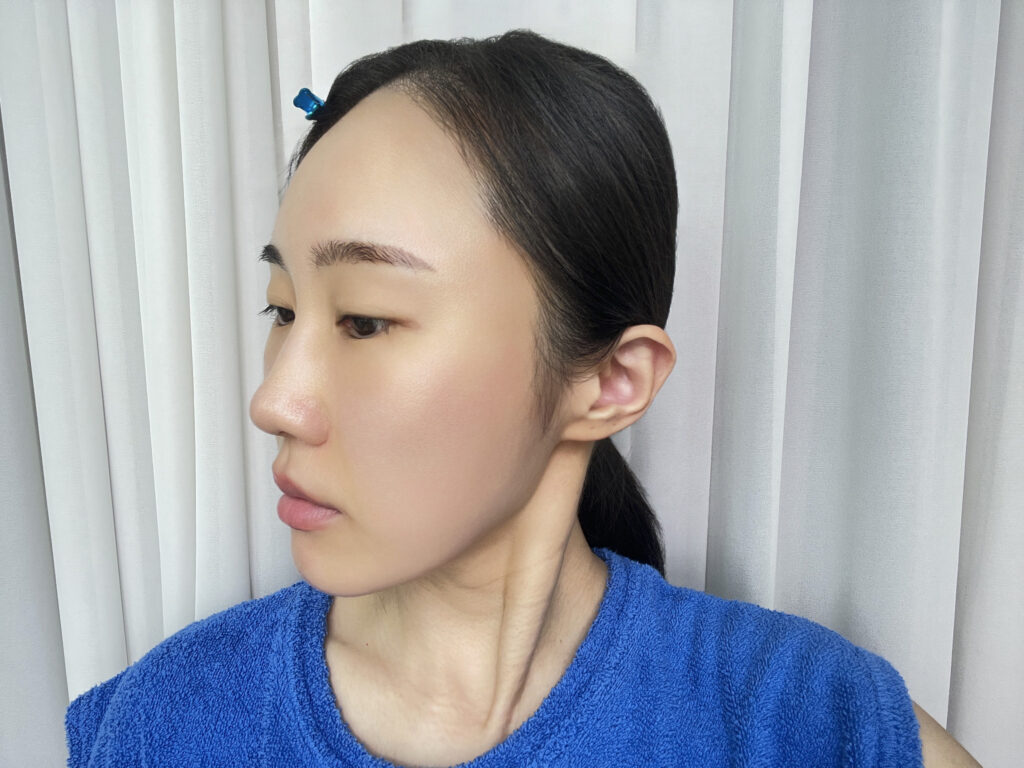
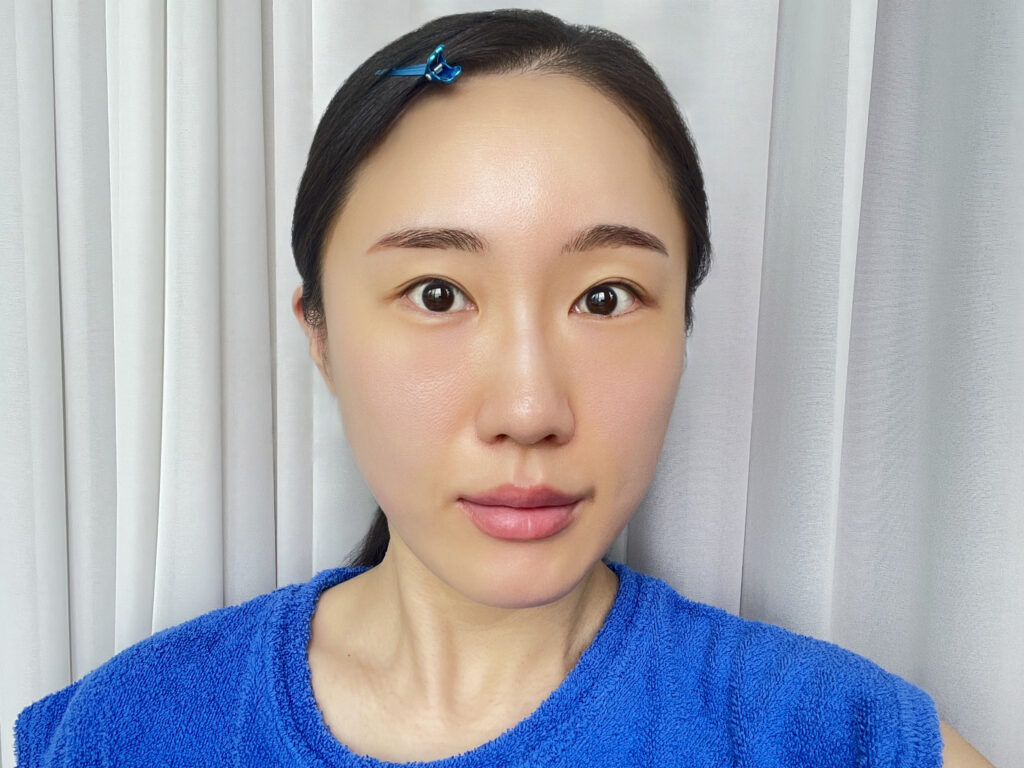
My personal preference is very clear: I like skin that looks hydrated rather than overly shiny.
For me, a good sunscreen for dry skin should leave the complexion naturally luminous without looking oily, glittery, or covered in a heavy layer of shine.
I want the skin itself to reflect light naturally.
On my skin, a luminous finish usually looks fresher than a completely matte one.
That is one reason cream and serum textures tend to suit my preferences better.
My Side-by-Side Ranking
| Texture | Feel on My Skin | Hydration | Finish | When I Prefer It |
|---|---|---|---|---|
| Cream | Rich and cushioned | High | Dewy | Dry skin days |
| Serum | Light, skincare-like | Medium–High | Fresh and luminous | Everyday facial SPF |
| Sun Milk | Thin and fluid | Medium | Lightweight | Active or lighter days |
This comparison is based on the specific formulas I use, not every cream, serum, or milk sunscreen on the market.
Products can behave very differently even within the same texture category.
“Best for Dry Skin” Is Not the Same as “Best Sunscreen”
This distinction matters.
I do not use one sunscreen format for every situation.
I have tested seven different sunscreen formats, including cream, milk, serum, mousse, stick, spray, and roll-on.
You can see the full comparison here:
I Tried 7 Sunscreen Formats: Spray, Mousse, Sun Milk, Cream, Roll-On, Serum & Stick
That test taught me something important:
There is no single sunscreen format that is best at everything.
For example:
- Cream works well when I want moisture.
- Serum gives me hydration with less weight.
- Milk is useful when I want something light.
- Stick is useful for reapplication.
- Spray makes sense for fast body coverage.
The better question is:
What job do I need this sunscreen to do?
What I Look for Beyond Hydration
Texture is important, but it is not enough.
Even the richest sunscreen will not stay in my routine if it makes my eyes uncomfortable or leaves a finish I dislike.
I also care about:
- eye-area comfort
- no obvious white cast on my skin
- easy application
- a finish that still looks like real skin
- compatibility with the rest of my skincare
- something I am willing to use consistently
I wrote about my full sunscreen criteria here:
What I Look for in a Korean Sunscreen After Years of Daily SPF
For me, the best SPF habit is the one I can actually maintain.
What About Makeup?
Cream and serum are also the two textures I tend to prefer when I know I will wear makeup.
But I am keeping that as a separate comparison.
How sunscreen feels on bare skin and how foundation behaves over sunscreen are different questions.
For this test, I am focusing only on:
hydration, texture, comfort, and bare-skin finish.
Which Texture Should You Try?
Choose cream if:
- your skin often feels dry or tight
- you like richer skincare
- you want a visibly moisturized finish
- you prefer dewy skin
Choose serum if:
- you want hydration with less weight
- you like lightweight skincare textures
- you want a fresh, luminous finish
- you need an easy everyday facial sunscreen
Choose sun milk if:
- you dislike feeling sunscreen on your skin
- you want the thinnest texture of the three
- your skincare underneath already gives you enough moisture
- you prefer a lighter finish
- you want something practical for active days
The Bottom Line
If dryness is my main concern, my personal ranking is:
1. Cream — maximum moisture and the richest dewy finish
2. Serum — the best balance between hydration and lightness
3. Sun Milk — the best option when lightweight texture matters most
I still use all three.
I just do not use them for exactly the same reason.
That is the biggest difference I have noticed after trying so many sunscreen formats:
The best sunscreen texture depends on what your skin needs that day.
When my skin feels particularly dry, I reach for cream.
When I want something lighter but still hydrating, I reach for serum.
And when I want SPF to feel almost weightless, I reach for milk.
This article reflects my personal experience with the specific sunscreen formulas I use. Texture and finish can vary between products even within the same category. Skin type, sensitivity, climate, skincare underneath, and application amount may also affect how a sunscreen feels and looks.

I’m Eva, based in Korea, and I’ve spent years building my own approach to skincare around three things: daily sun protection, a healthy skin barrier, and luminous, well-hydrated skin. I believe good beauty is less about trying to look younger and more about looking healthy, polished, and well cared for at every age. Korean Glow Edit is where I share the K-Beauty products I actually use, the routines I keep for years, and the discoveries from Korea that I believe are worth knowing about.